
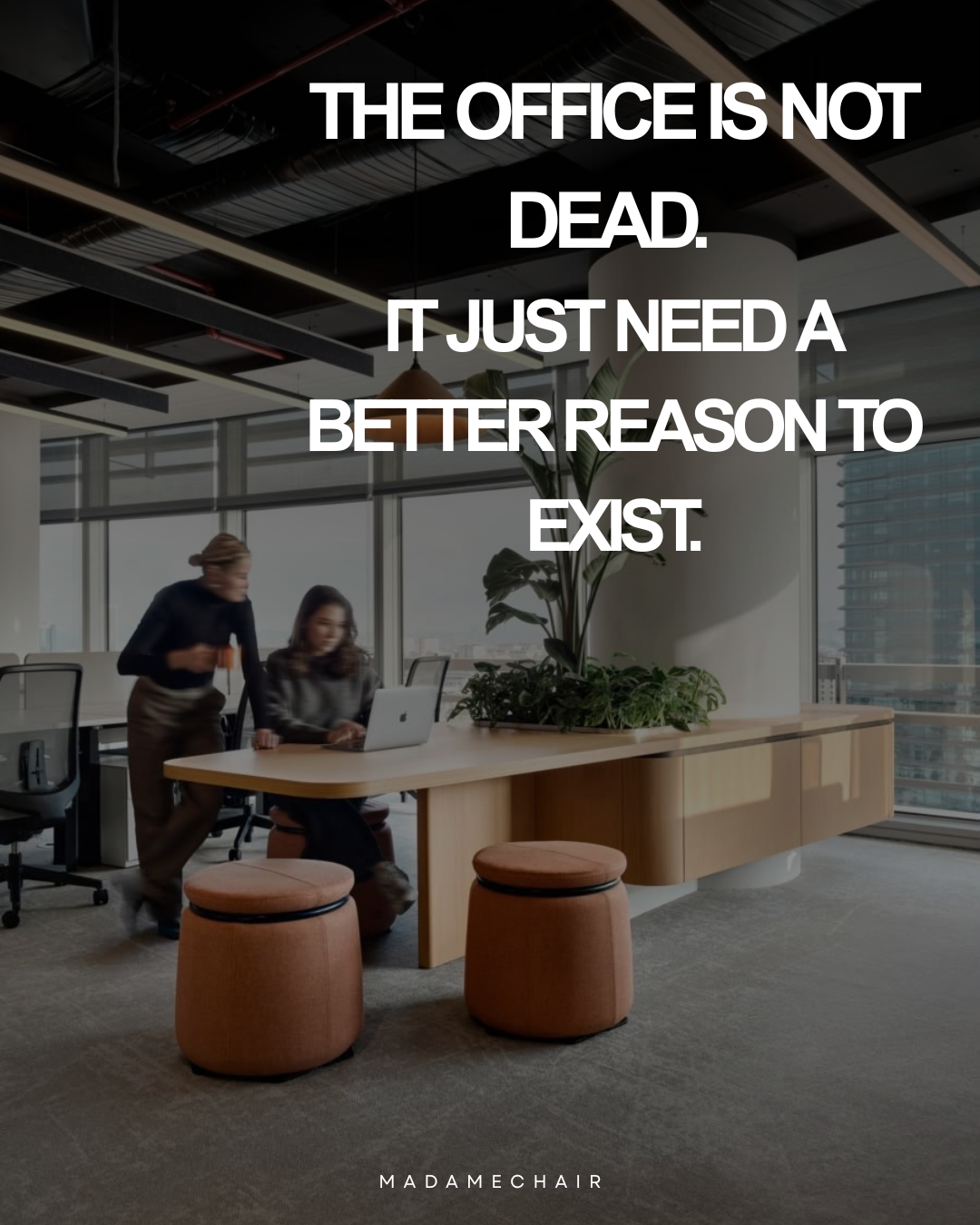
For years, the office was designed around a relatively simple formula: square metres, desks, meeting rooms and the number of people expected to work there.
But the way we work has changed. And the spaces in which we work need to change with it.
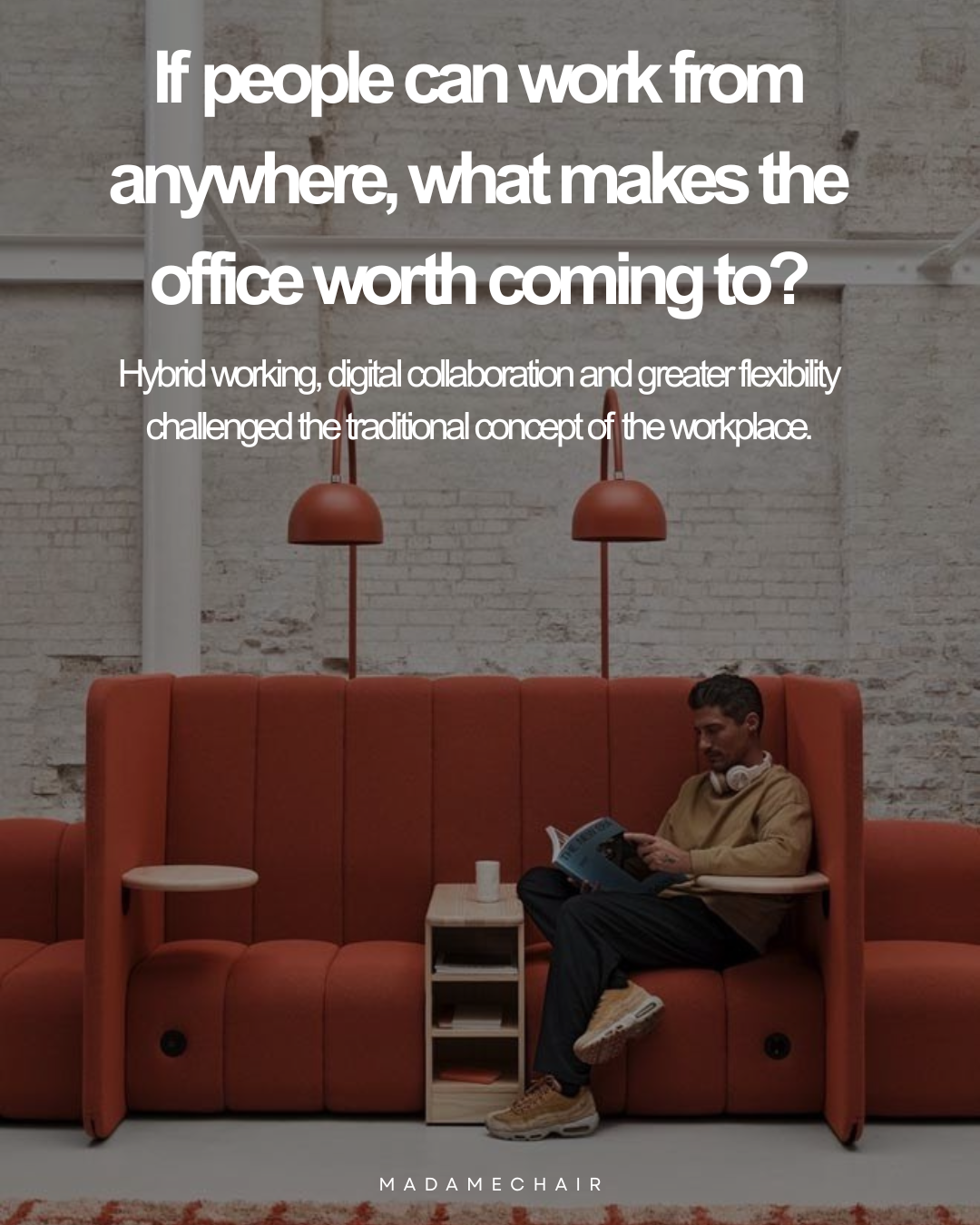
Hybrid working, new technologies and evolving expectations have challenged the traditional idea of the office. Today, simply providing a desk and a chair is no longer enough to justify the daily commute or encourage people to come together.
The office is not dead. Its purpose has evolved.
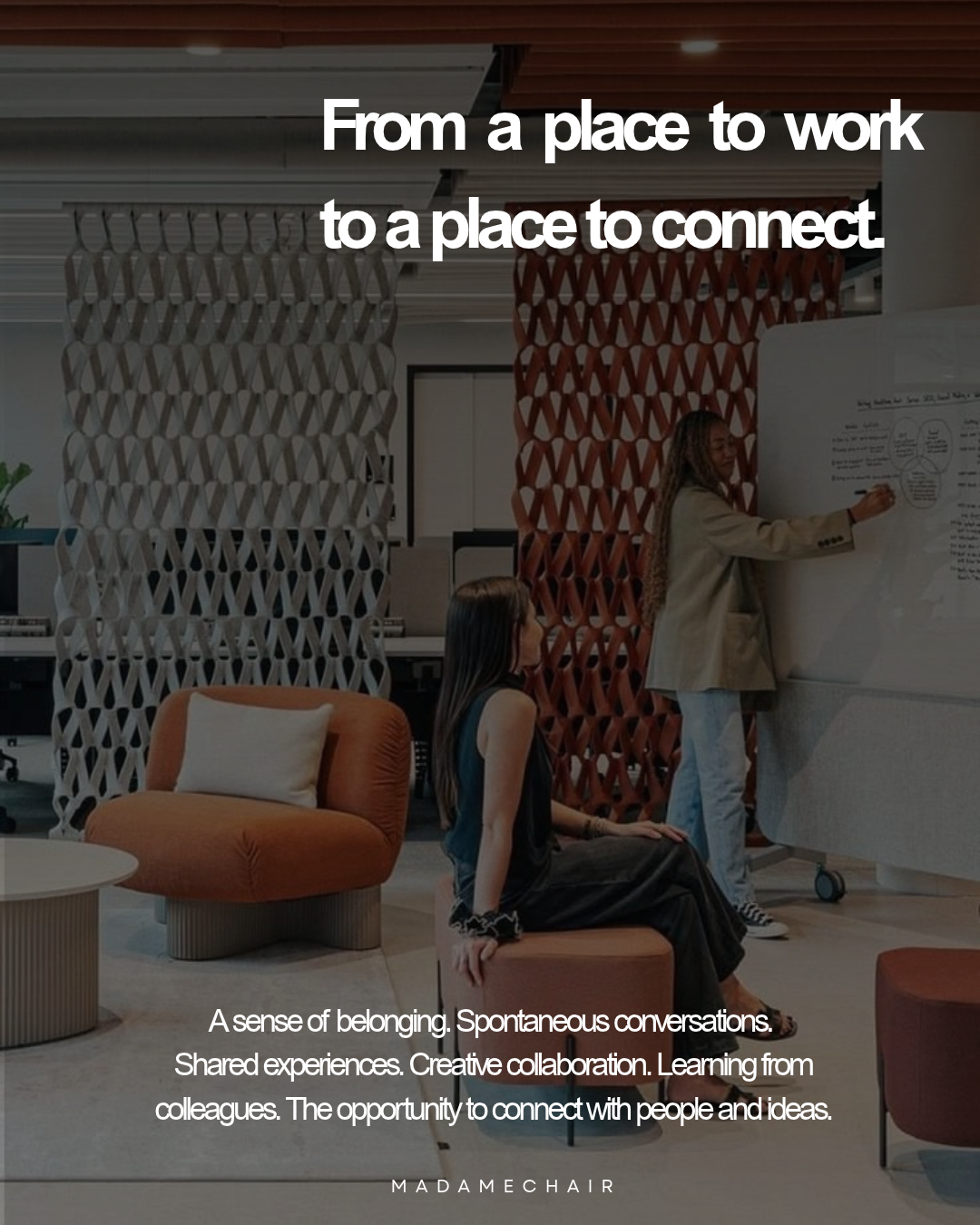
From a place to work to a place to connect
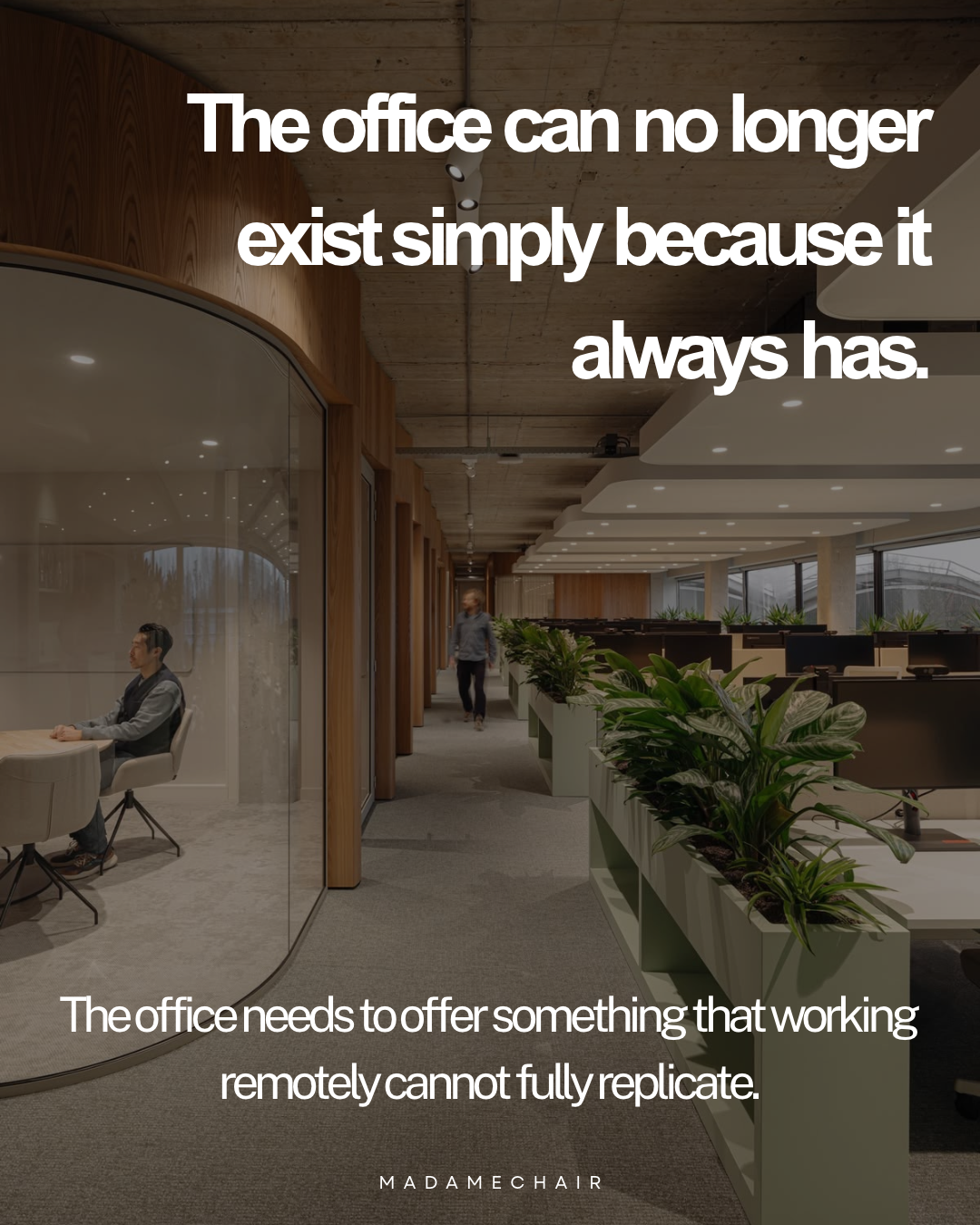
The workplace should offer something that people cannot fully replicate at home.
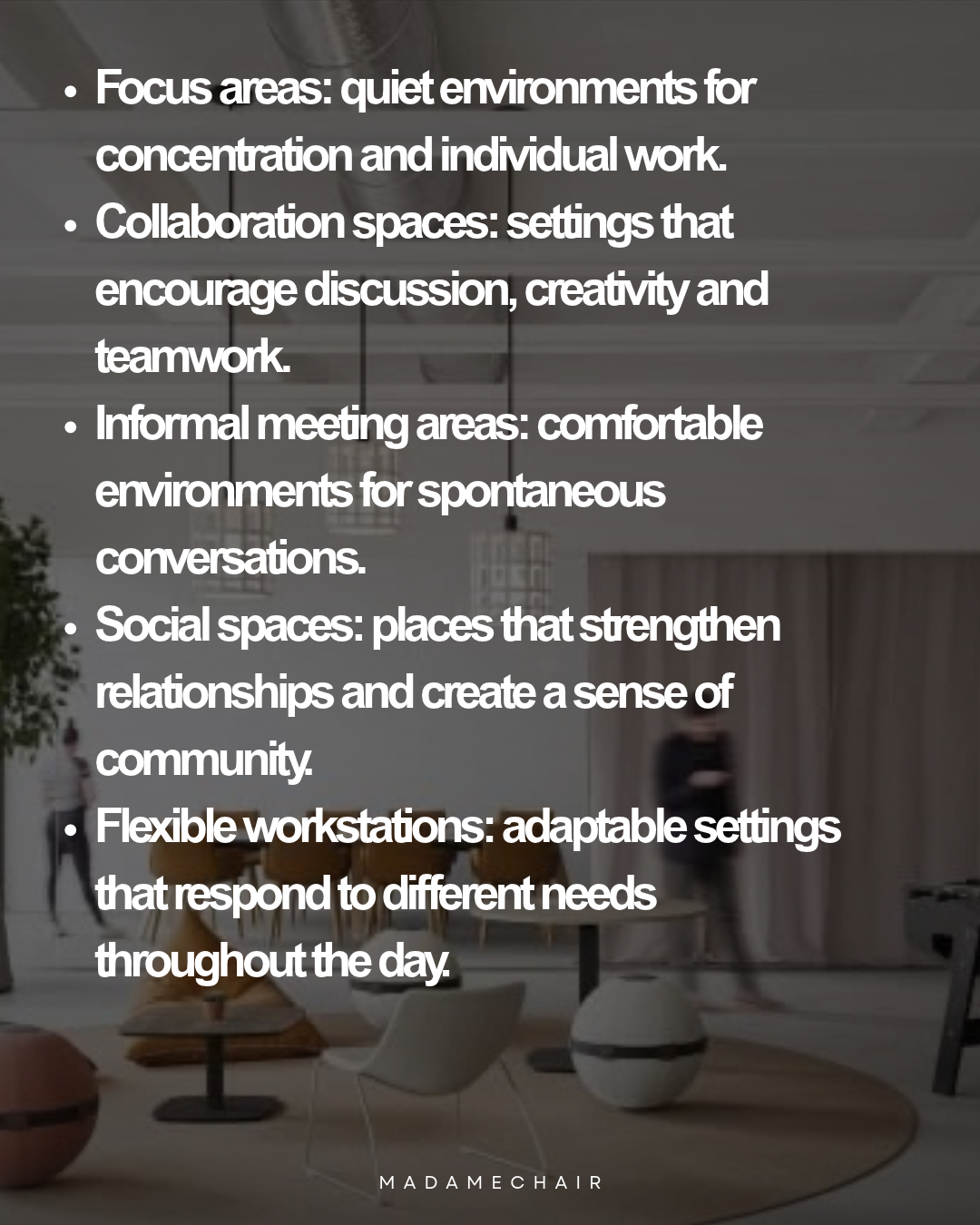
It should create opportunities for meaningful collaboration, spontaneous conversations, knowledge sharing and a sense of belonging. At the same time, it must recognise that not every task requires interaction. Concentration, privacy and individual focus remain essential.
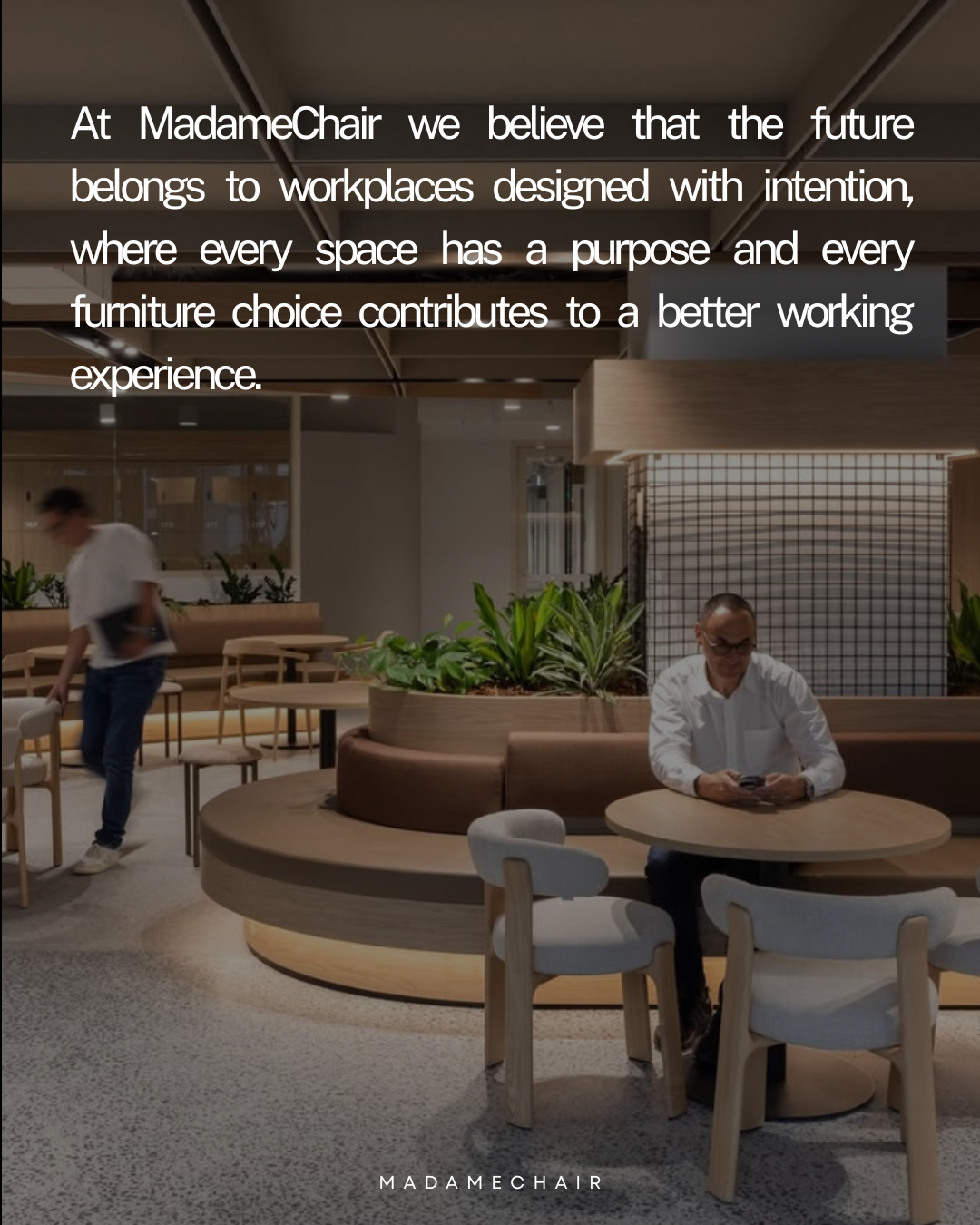
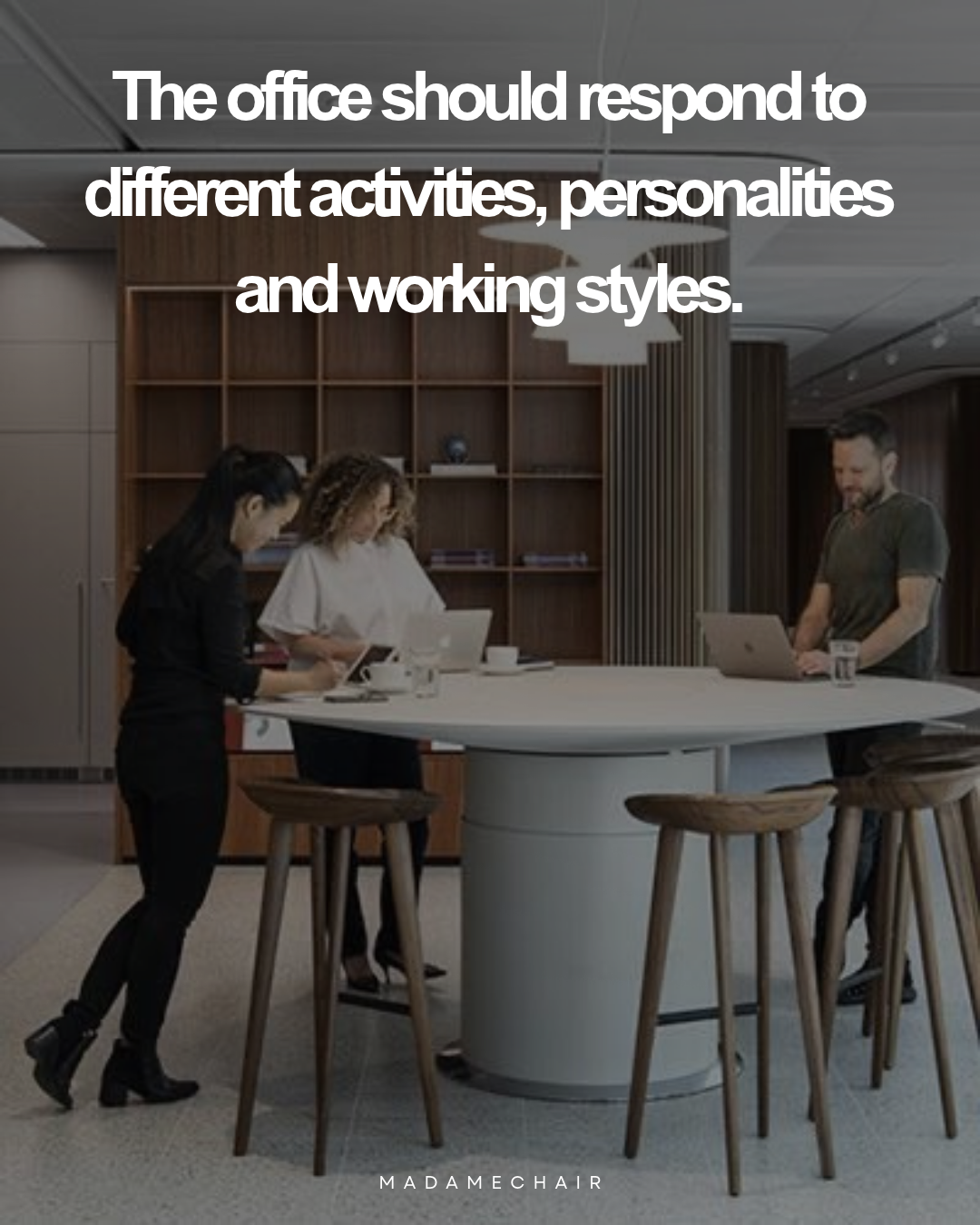
A successful workplace is therefore not defined by the number of workstations it accommodates, but by how effectively it supports different ways of working.
This means moving away from a one-size-fits-all approach and creating environments that respond to the real needs of people and organisations.
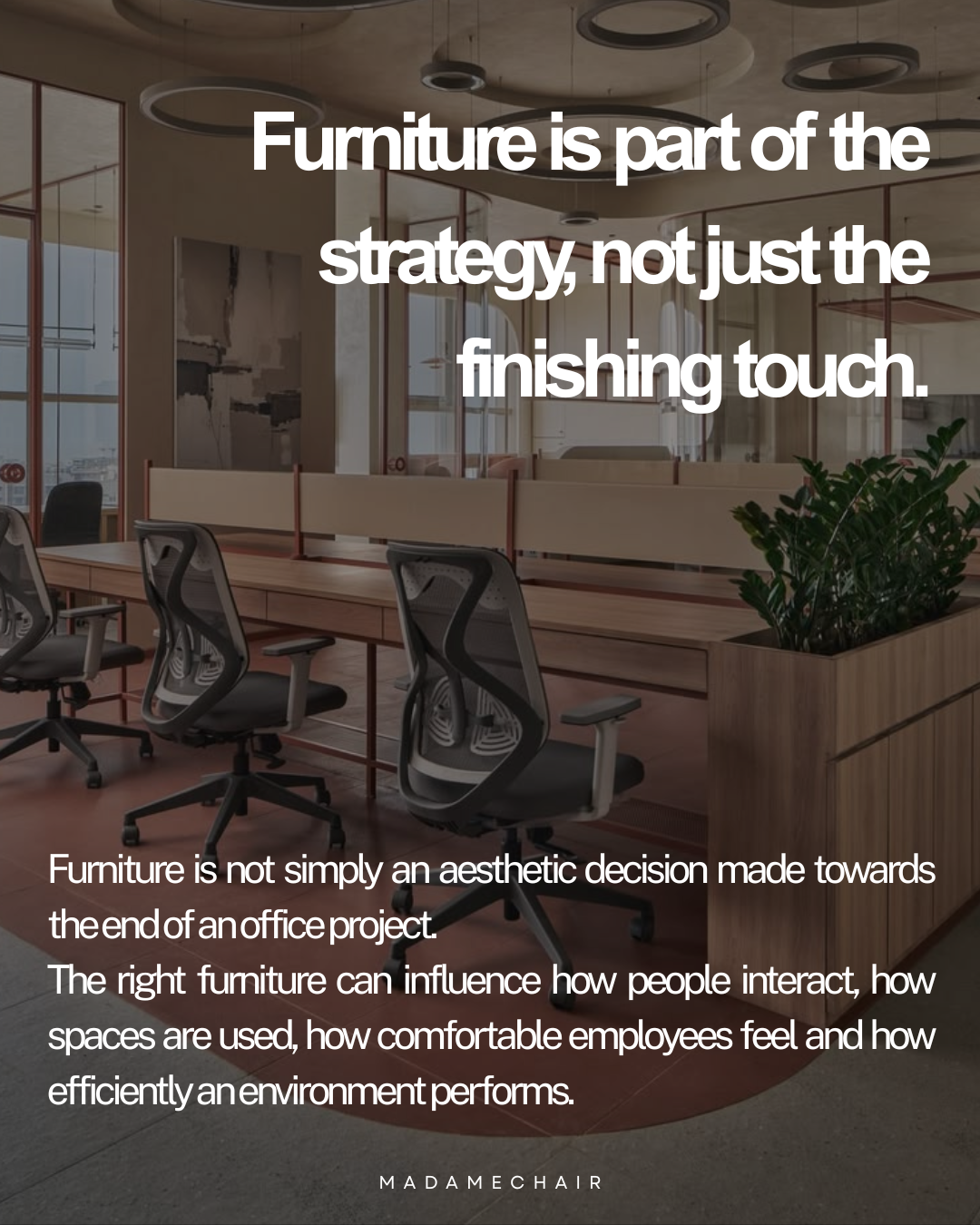
Furniture is part of the strategy, not the finishing touch
Furniture is often treated as one of the final decisions in an office project. Something to be selected once the layout and aesthetic direction have already been established.
We believe it deserves a different place in the process.
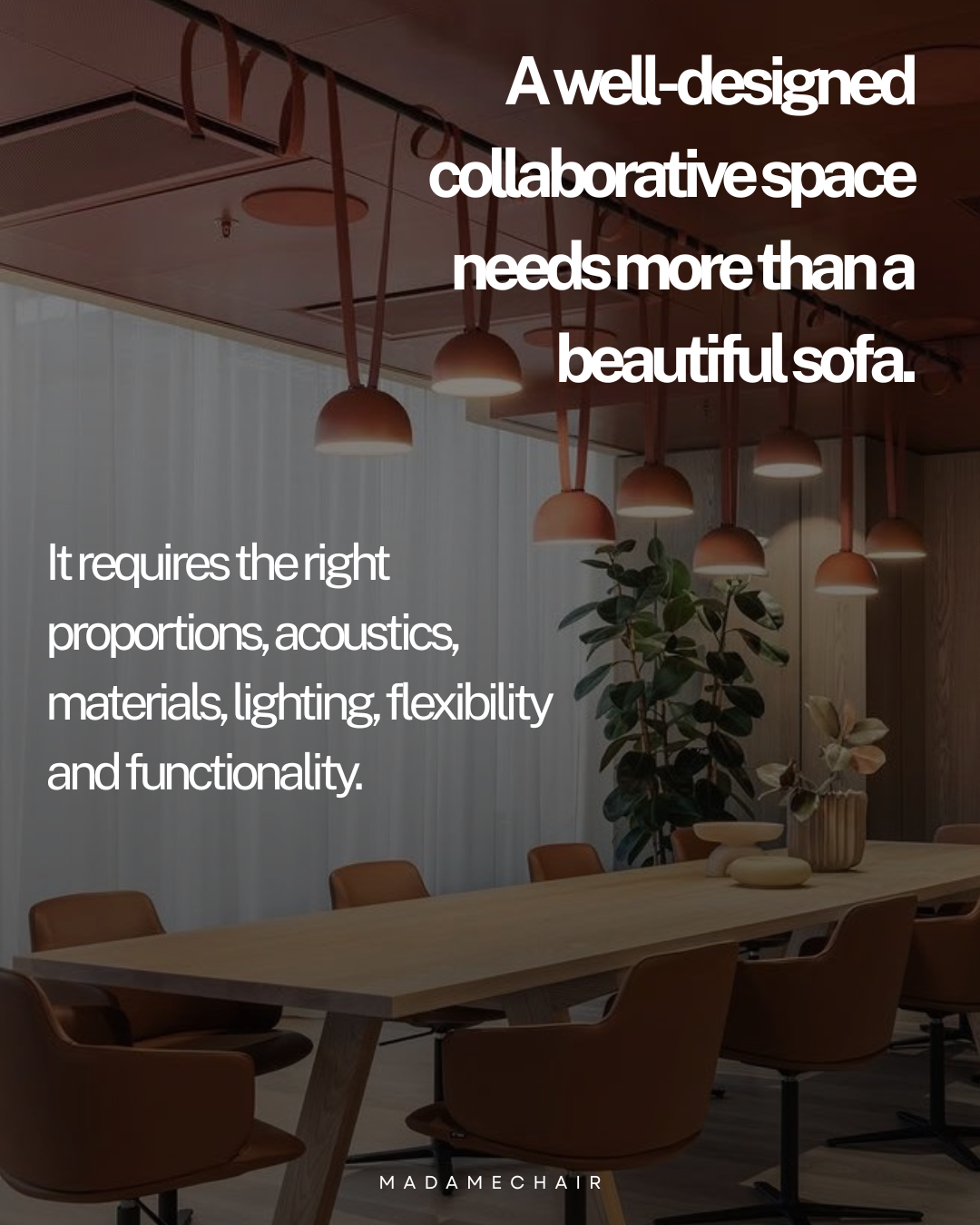
The right furniture choices influence how people interact, how spaces are used and how effectively an organisation operates. They contribute to acoustics, ergonomics, flexibility, comfort and the overall identity of a workplace.
A collaborative area, for example, requires more than a sofa and a coffee table. It needs to be designed around its purpose, its users and the activities it is expected to support.
Likewise, a workstation should not simply fill a floor plan. It should respond to the tasks, technology and working habits of the people using it.
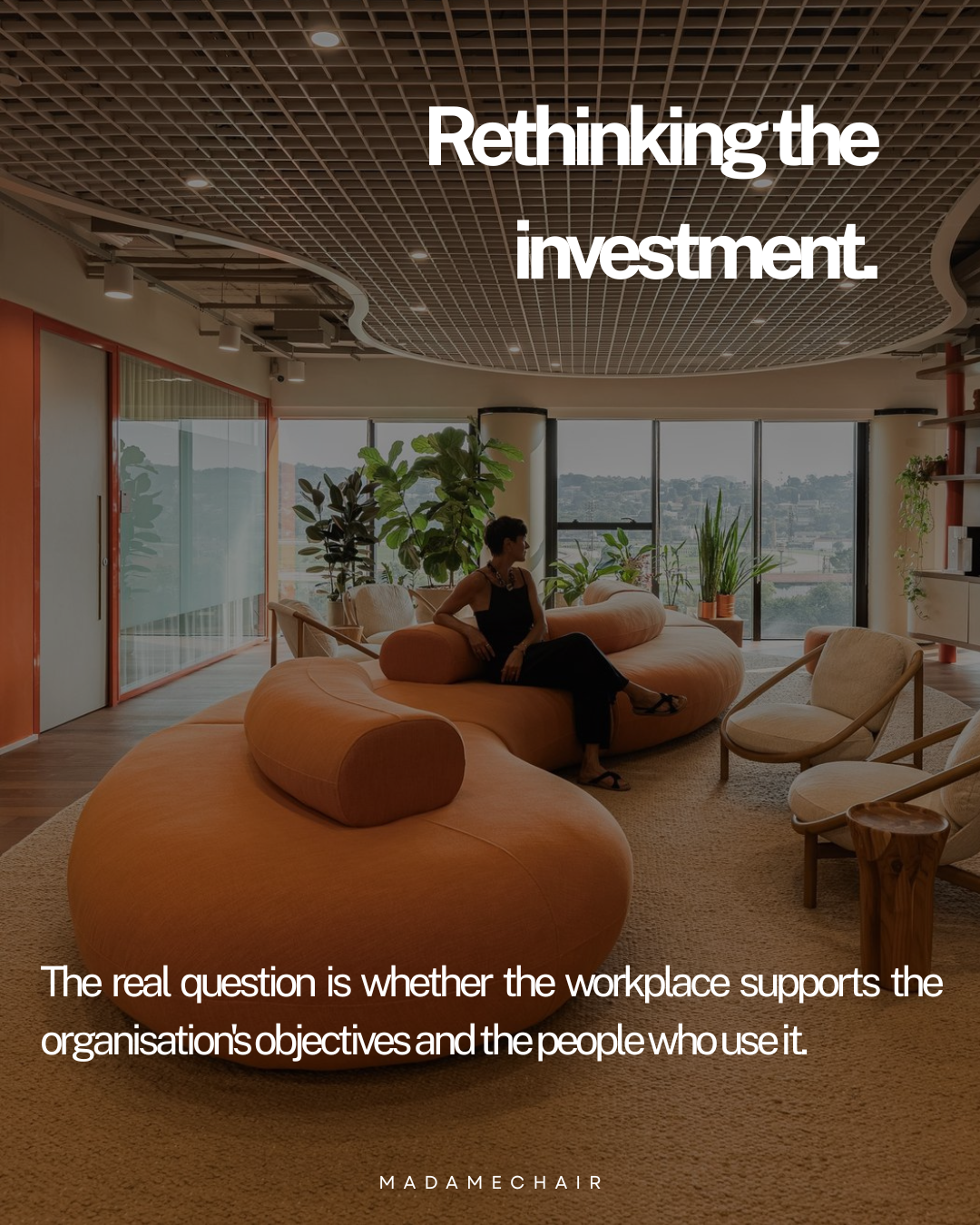
Furniture decisions are operational decisions, spatial decisions and long-term investment decisions.